


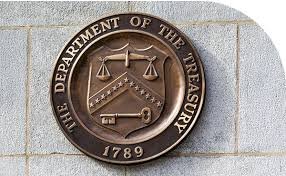
Understanding Sanctions Legal Services: Ensuring Compliance
Sanctions legal services have become increasingly vital in today’s globalized economy where international trade and finance intersect with geopolitical tensions. Businesses often find themselves navigating complex regulations imposed by governmental bodies, particularly in relation to economic sanctions. One key player in this landscape is the Sanctions Legal Services OFAC compliance attorney, who helps organizations remain compliant with regulations set forth by the Office of Foreign Assets Control (OFAC). This article delves into the myriad aspects of sanctions legal services, examining their importance, complexities, and how businesses can effectively manage their compliance strategies.
What Are Sanctions?
Sanctions are legal measures imposed by governments or international organizations to influence or coerce a state or entity in response to certain behaviors, usually related to security or human rights violations. Sanctions can include trade restrictions, asset freezes, and other financial prohibitions. The primary goal is to exert pressure without resorting to military action, but the broad reach and implications of sanctions can have profound effects on global business operations.
The Role of Legal Services in Sanctions Compliance
Legal services specializing in sanctions play a crucial role in helping businesses understand their obligations and navigate the intricate web of regulations. These services typically include:
- Consultation and Risk Assessment: Legal professionals evaluate the potential risks related to sanctions for a business, helping them to identify vulnerabilities in their operations.
- Compliance Programs: Developing tailored compliance programs that encompass policies and procedures to ensure adherence to all applicable sanctions regulations.
- Training and Awareness: Conducting training sessions for employees about the importance of sanctions compliance and how to recognize potential violations.
- Transaction Review: Analyzing specific business transactions to ensure they do not inadvertently violate sanctions regulations.
- Enforcement Actions: Representing clients in cases of alleged violations, including addressing inquiries from regulatory bodies.
Key Players in Sanctions Compliance
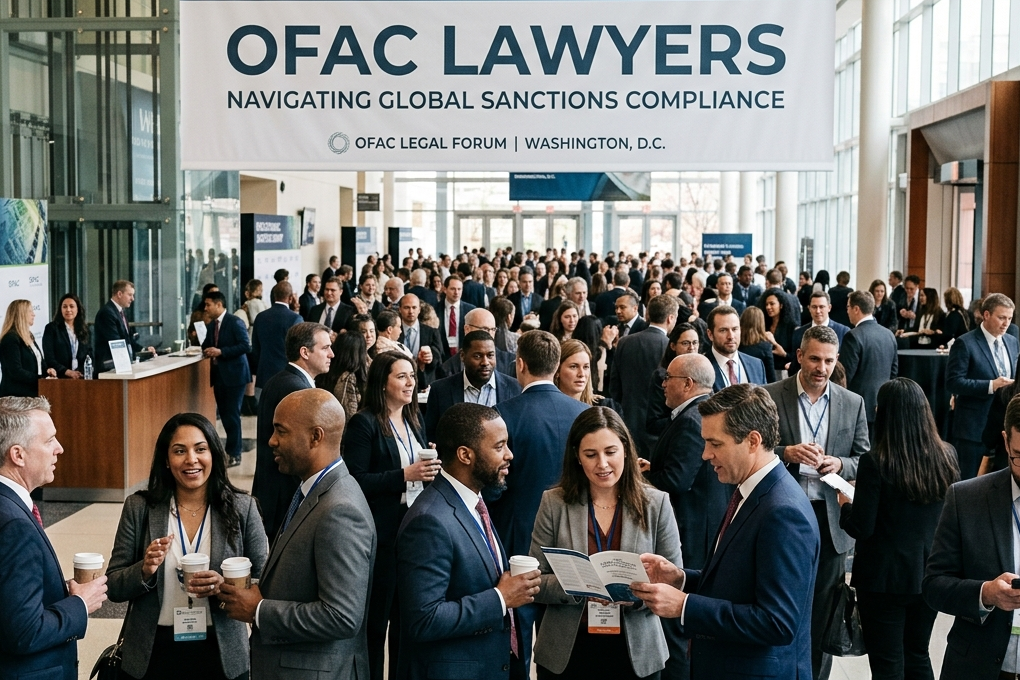
In the realm of sanctions legal services, various entities play essential roles in ensuring compliance:
- OFAC: The Office of Foreign Assets Control is the primary U.S. government agency responsible for administering and enforcing economic and trade sanctions against targeted foreign countries and regimes.
- Legal Counsel: Specialized lawyers, such as OFAC compliance attorneys, possess expertise in interpreting sanctions laws and ensuring that businesses remain compliant.
- Compliance Officers: Internal compliance teams within organizations work closely with legal counsel to implement effective compliance strategies.
Why Businesses Need Sanctions Legal Services
As sanctions evolve and become more stringent, businesses, especially those engaged in international markets, face heightened scrutiny. The repercussions of non-compliance can be severe, including hefty fines, sanctions against business operations, and reputational damage. Here are specific reasons why legal services pertaining to sanctions are indispensable for businesses:
- Navigating Complexity: Sanction laws are often multifaceted and continuously changing. Staying updated can be daunting for businesses without legal expertise.
- Reducing Liability: Employing sanctions legal services can determine potential exposure to sanctions, thereby reducing liability and associated risks.
- Effective Response Strategy: In the event of an investigation or enforcement action, having legal representation ready can significantly clarify the process and outcomes.
Emerging Trends in Sanctions and Compliance
Sanctions legal services are adapting to new developments in global politics and economics. Prominent trends that shape the current landscape include:
- Increased Use of Technology: Many compliance programs now utilize advanced software solutions to monitor transactions, screen potential sanctions violations, and manage compliance data more efficiently.
- Globalization of Sanctions: As businesses operate in a more interconnected world, understanding foreign sanctions, alongside U.S. regulations, has become critical.
- Focus on Human Rights: Sanctions relating to human rights violations are becoming more common, prompting businesses to scrutinize their supply chains rigorously.
Conclusion
Sanctions legal services are an essential part of modern business operations, particularly for those engaging in international markets. By understanding the complexities of sanctions, organizations can better prepare themselves to navigate legal challenges and maintain compliance. Engaging specialized legal counsel, such as an OFAC compliance attorney, can provide businesses with the necessary tools and knowledge to manage their sanctions-related obligations effectively. In an ever-evolving legal environment, the importance of having proactive legal guidance cannot be overstated, as it is instrumental in safeguarding a business’s reputation and long-term viability.